
Optimal Timing for Radon Gas Mitigation
Radon gas mitigations are most effectively implemented when radon levels are elevated or consistently high. Conducting mitigation during periods of high radon concentrations ensures the system is designed and installed to address the specific needs of the property, reducing health risks associated with prolonged exposure.
Mitigation is most urgent when radon levels exceed safety thresholds, typically during colder months when homes are sealed tighter.
Installing radon mitigation systems early in new building projects can prevent higher costs and structural modifications later.
Testing upon move-in can identify radon issues early, allowing for timely mitigation before prolonged exposure.
After mitigation, testing should be repeated during different seasons to ensure long-term effectiveness.
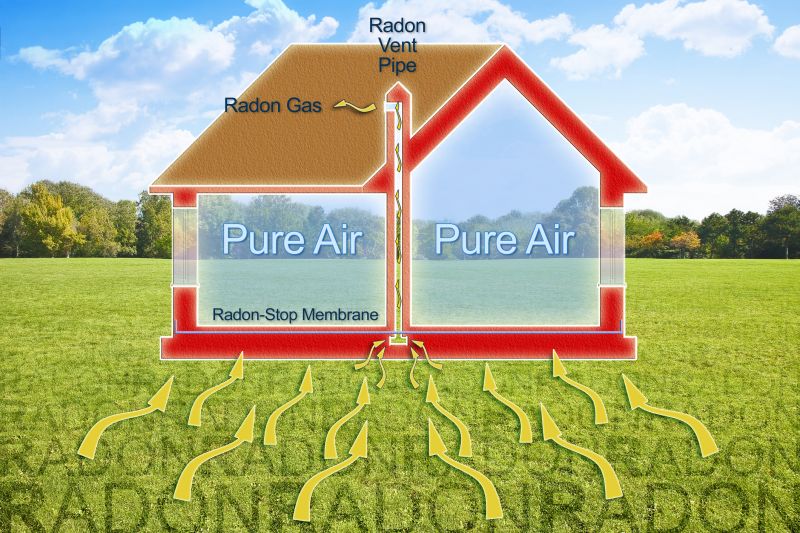
Installation of vent pipes and fans to reduce radon levels.
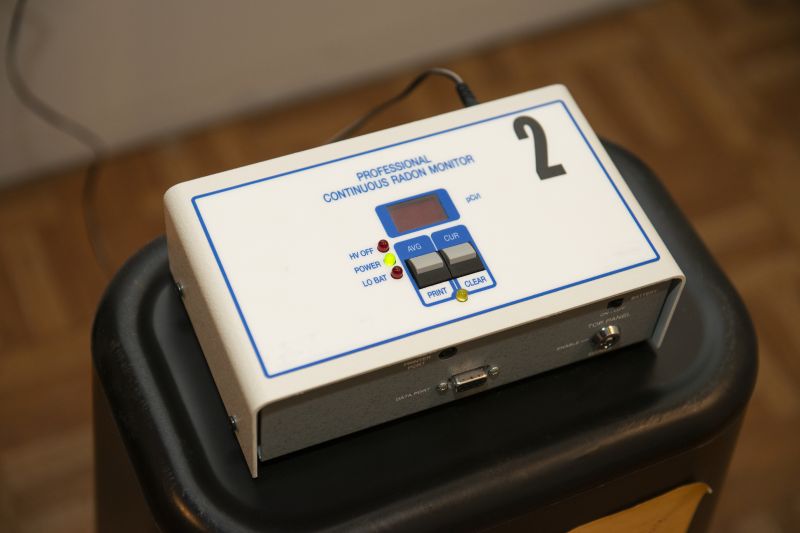
Using detectors to monitor radon concentrations in different seasons.
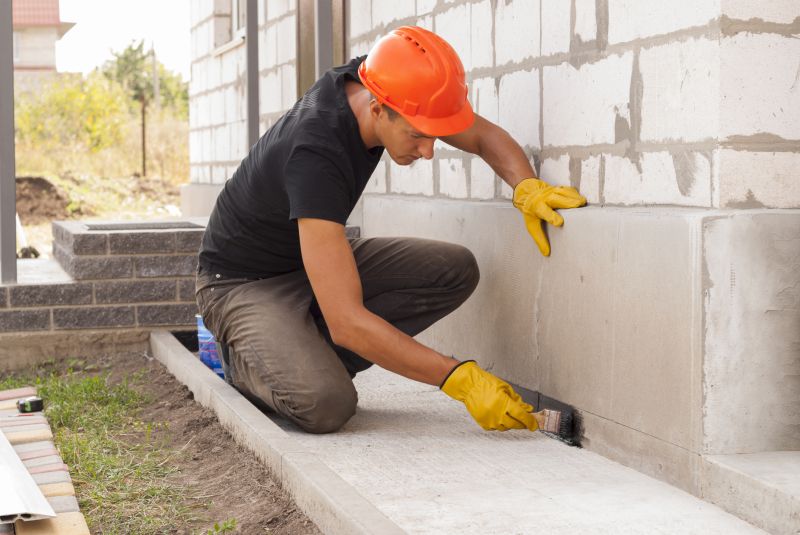
Preventing radon entry points during mitigation process.
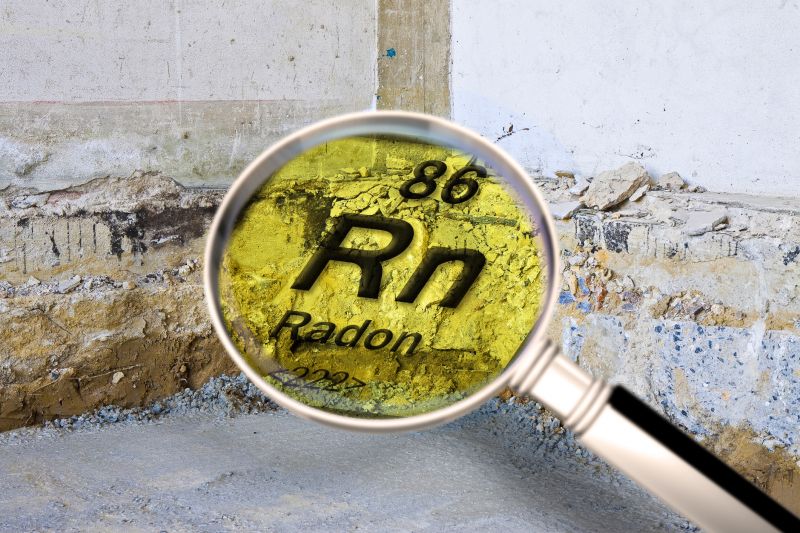
Ways to make Radon Gas Mitigations work in tight or awkward layouts.
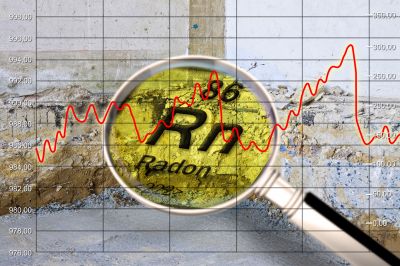
Popular materials for Radon Gas Mitigations and why they hold up over time.

Simple add-ons that improve Radon Gas Mitigations without blowing the budget.
High-end options that actually feel worth it for Radon Gas Mitigations.
Finishes and colors that play nicely with Radon Gas Mitigations.
| Season | Radon Levels | Recommended Action |
|---|---|---|
| Winter | Typically higher | Implement or upgrade mitigation systems |
| Spring | Moderate | Test and adjust mitigation as needed |
| Summer | Lower | Monitor radon levels periodically |
| Fall | Potential increase | Conduct testing and prepare mitigation if necessary |
Radon gas mitigation involves installing systems designed to vent radon from beneath the foundation and prevent its entry into indoor spaces. Proper mitigation reduces radon levels, which are a significant health concern due to their radioactive nature. Radon is odorless, invisible, and can accumulate indoors, especially in homes with tight sealing and inadequate ventilation. According to health statistics, prolonged exposure to elevated radon levels increases the risk of lung cancer, making timely mitigation essential for indoor safety.
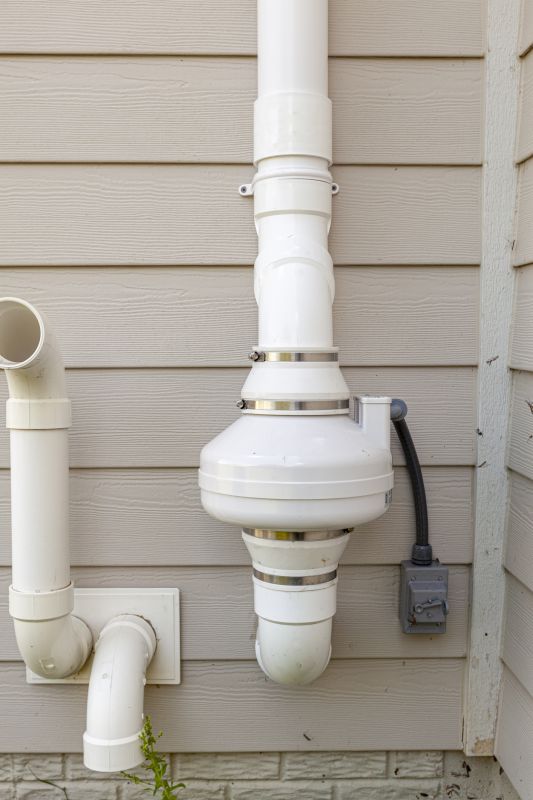
Vent pipes installed to safely vent radon outdoors.
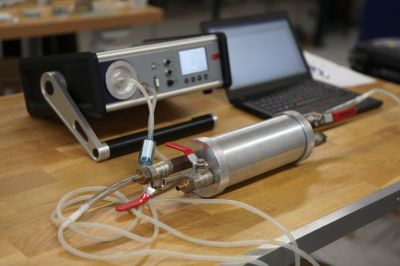
Devices used for accurate radon level measurement.

Sealing cracks to prevent radon entry.
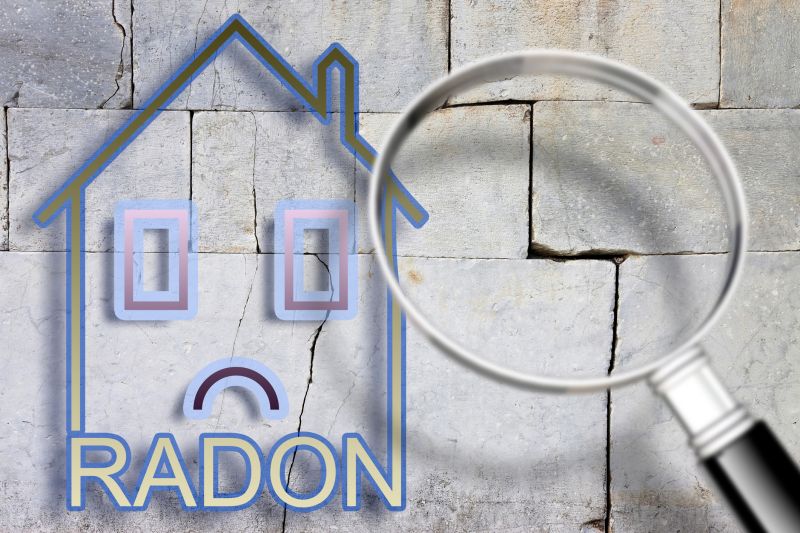
System that depressurizes soil beneath the home.
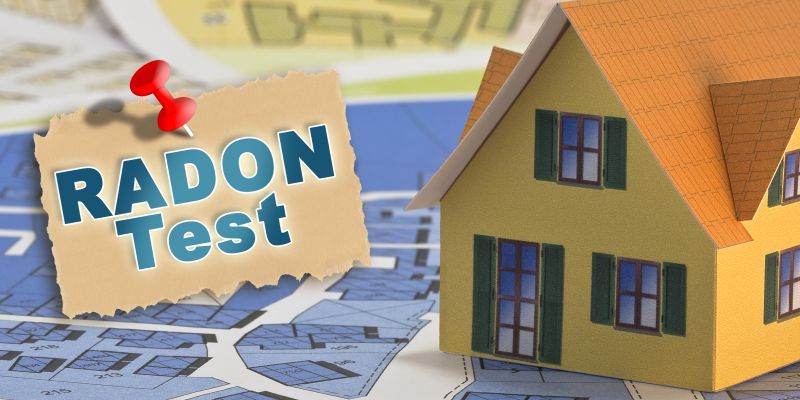
Little measurements that prevent headaches on Radon Gas Mitigations day.
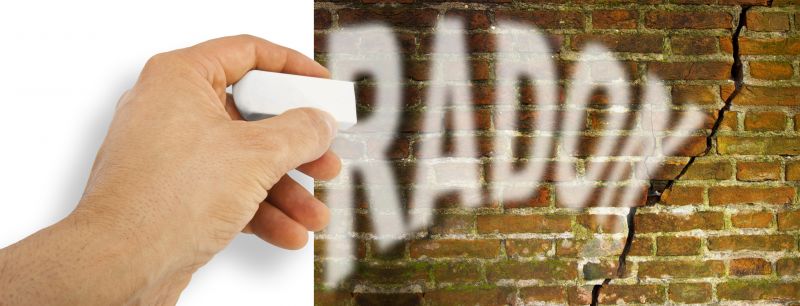
A 60-second routine that keeps Radon Gas Mitigations looking new.
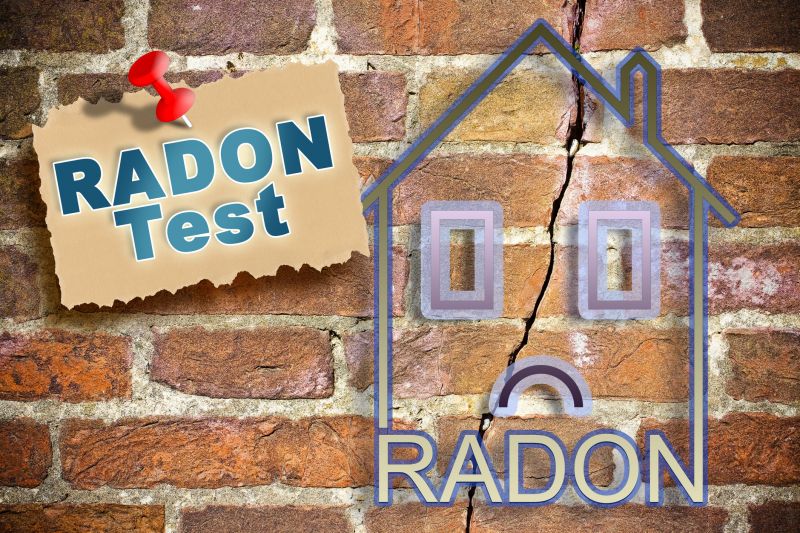
A frequent mistake in Radon Gas Mitigations and how to dodge it.
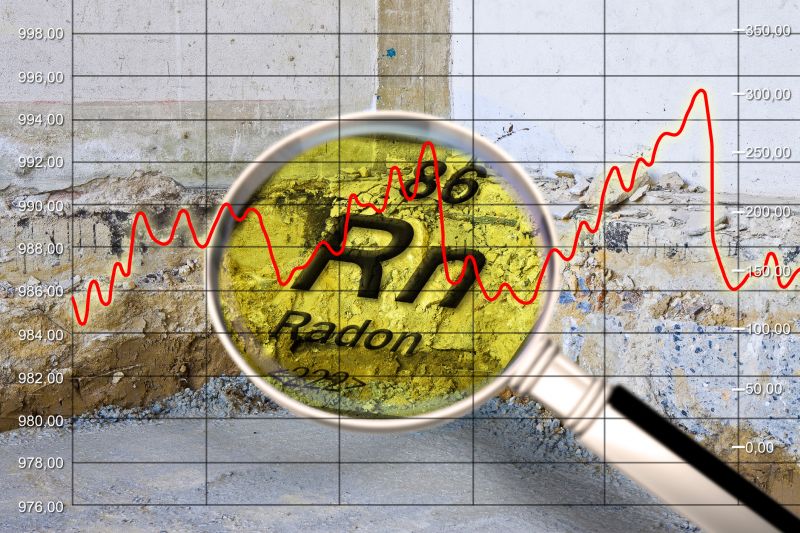
Small tweaks to make Radon Gas Mitigations safer and easier to use.
Implementing radon mitigation systems is a proactive approach to ensure indoor air quality. Regular testing and system maintenance are recommended to sustain optimal radon levels. Homeowners are encouraged to contact professionals for assessment and installation to achieve effective mitigation tailored to the specific structure and environment.
For those interested in reducing radon exposure, filling out the contact form can provide access to expert evaluations and tailored mitigation solutions. Addressing radon levels promptly can contribute to healthier indoor environments and peace of mind.