
Expert Radon Reduction Services to Improve Indoor Air Quality
Radon gas mitigation is a critical process for reducing indoor radon levels, which can pose health risks over prolonged exposure. Proper mitigation involves installing specialized systems designed to vent radon from beneath the building and prevent it from entering living spaces. The effectiveness of mitigation depends on accurate assessment and professional installation, ensuring safety and compliance with standards.
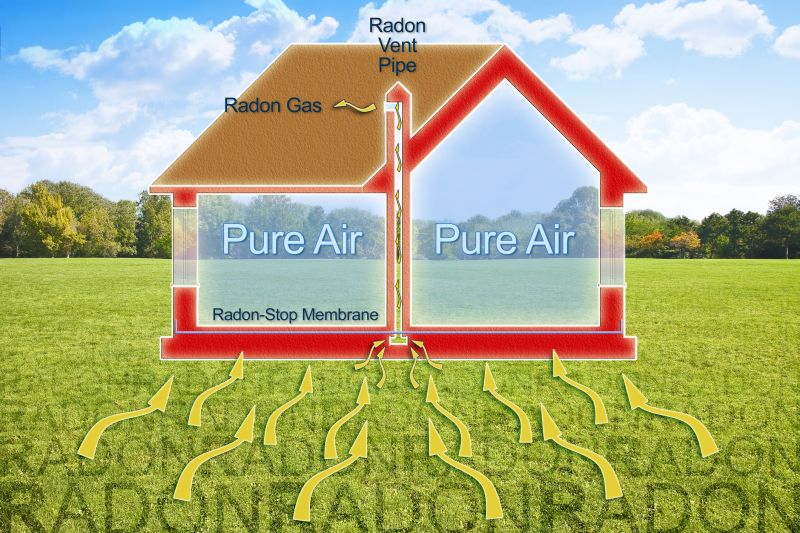
A typical radon mitigation system includes a vent pipe and fan to draw radon from beneath the foundation and release it outside, reducing indoor levels.
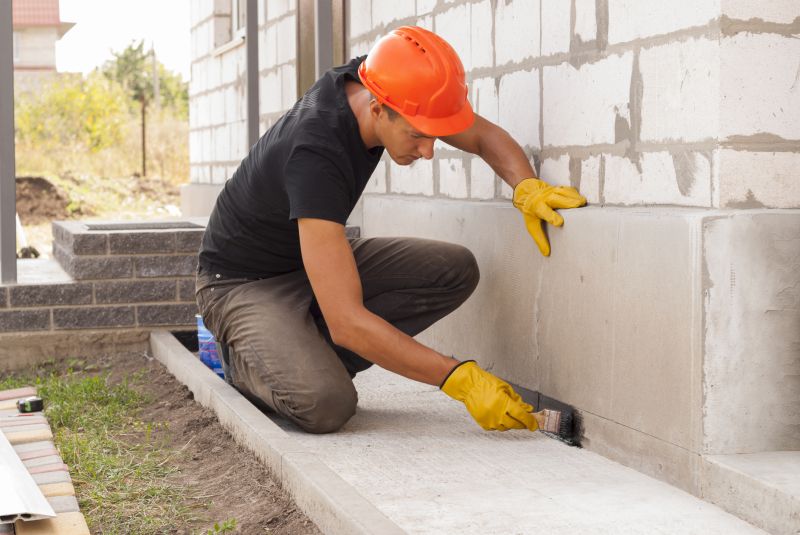
Sealing cracks and openings in the foundation prevents radon entry points, enhancing the efficiency of mitigation systems.

Certified technicians install radon mitigation systems to ensure optimal performance and compliance with safety standards.
Radon mitigation systems typically take several hours to install, depending on the size and complexity of the property. The process begins with a thorough assessment of the building's foundation and radon levels. Installation involves placing a vent pipe through the foundation slab or soil, connecting it to a fan on the exterior, and sealing entry points. This setup creates a continuous flow that draws radon away from the interior environment.
Hiring a professional ensures that the mitigation system is correctly installed, maximizing radon reduction and minimizing potential issues. Professionals have the expertise to evaluate the building’s structure, determine the most effective system placement, and adhere to local codes and standards. Proper installation also helps avoid future problems such as system failure or increased radon levels.
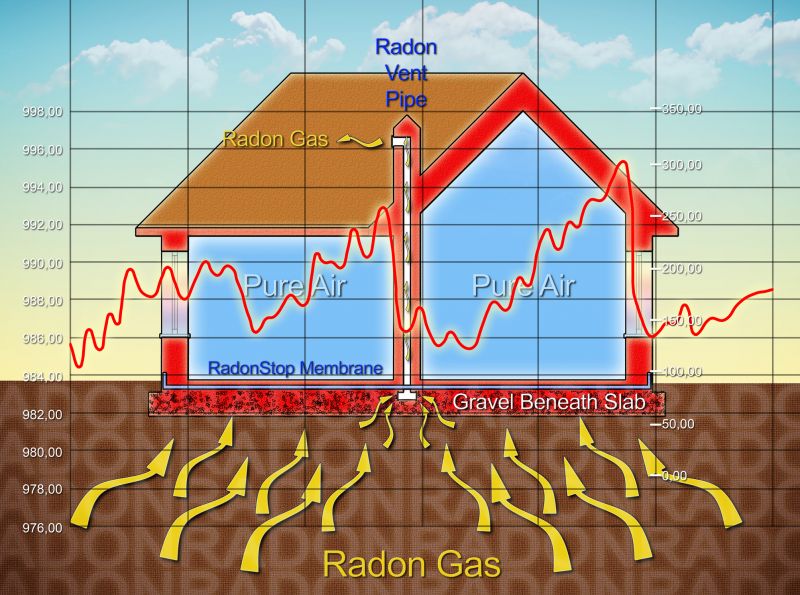
A professionally installed system with vent pipe running through the foundation and a fan mounted outside, designed for optimal radon reduction.
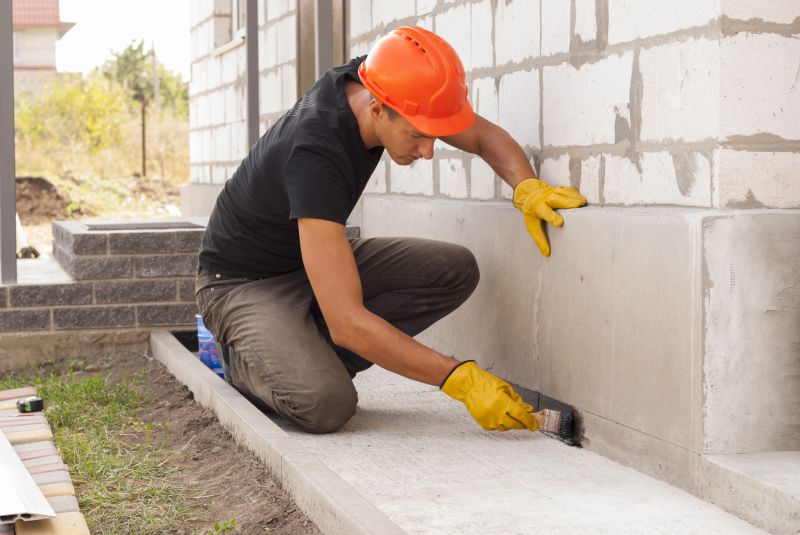
Sealing cracks and openings in the foundation after system installation to prevent radon infiltration.
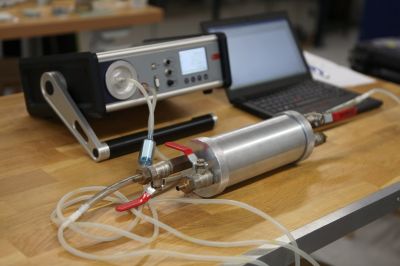
Radon detectors installed to continuously monitor indoor radon levels and ensure system effectiveness.
Effective radon mitigation can significantly lower indoor radon levels, often bringing them below the EPA recommended action level. Regular testing after installation is advised to verify system performance. Maintaining the system and monitoring radon levels over time ensures ongoing safety and compliance.